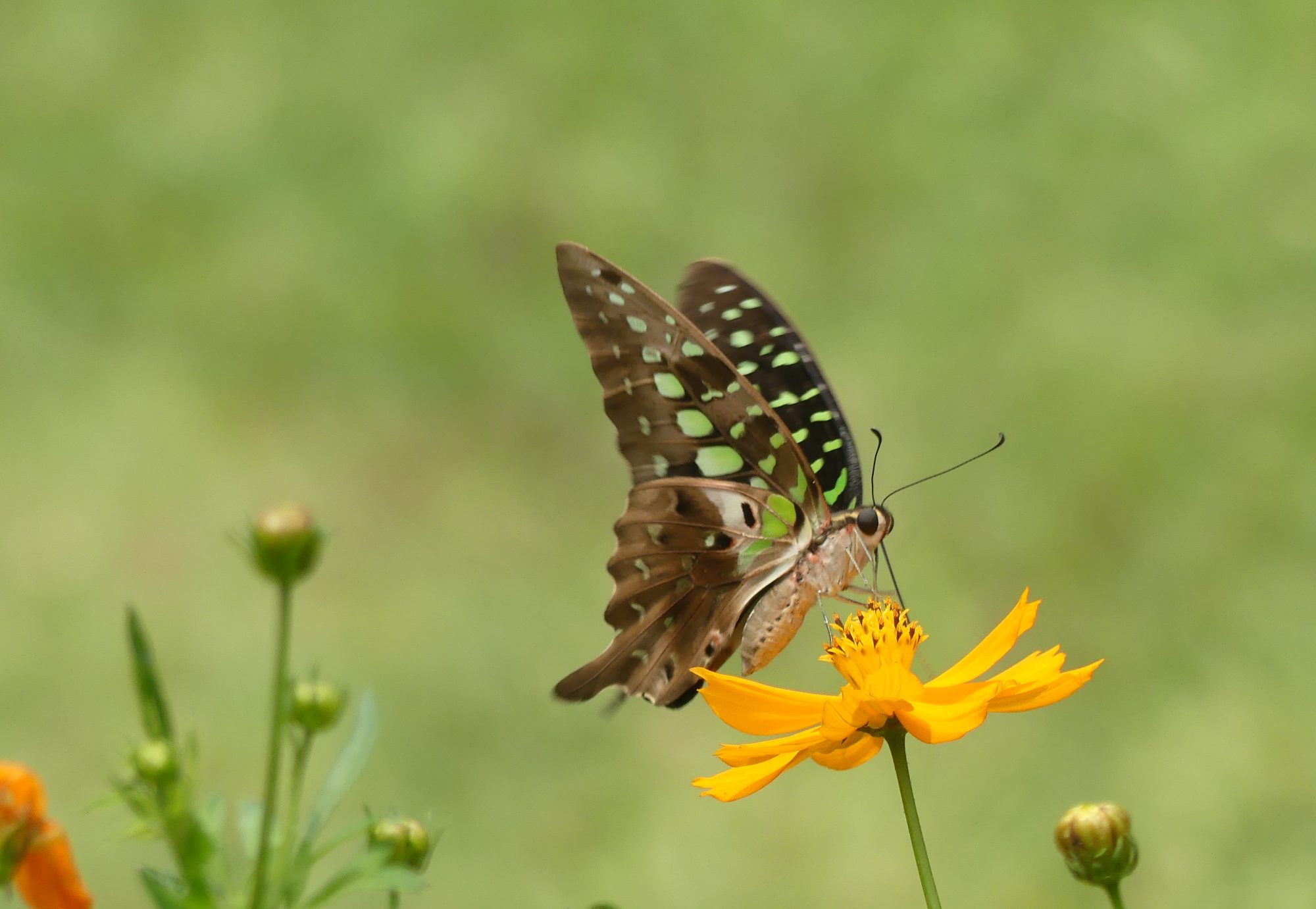

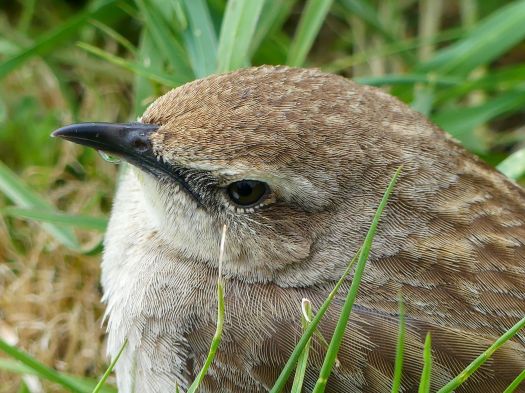
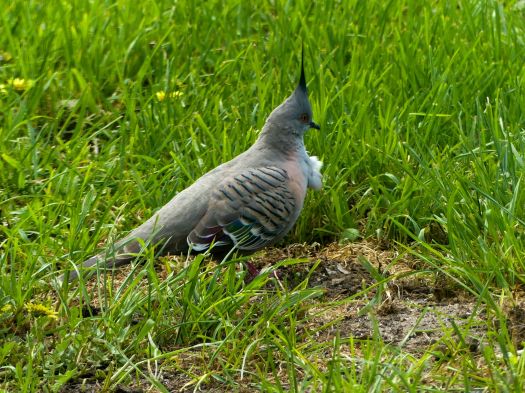
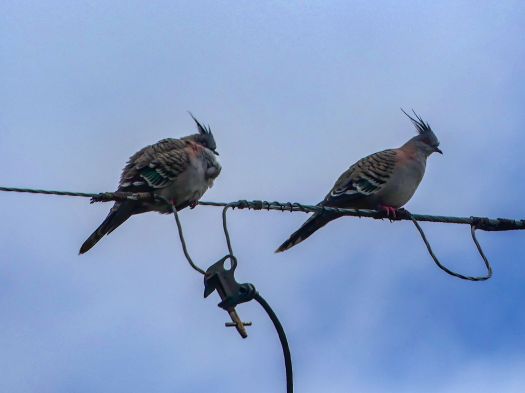
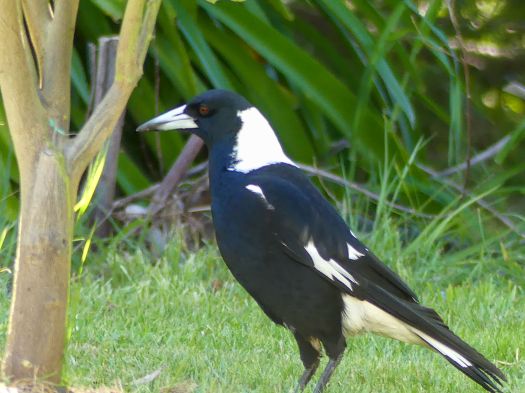
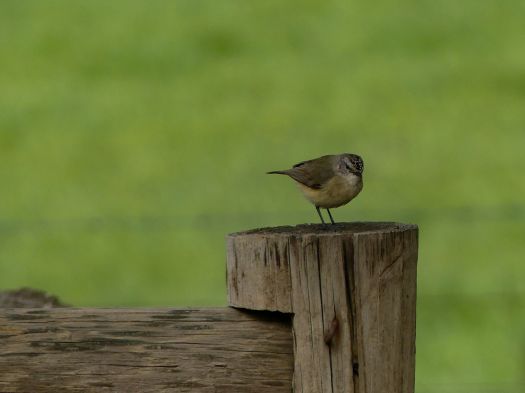
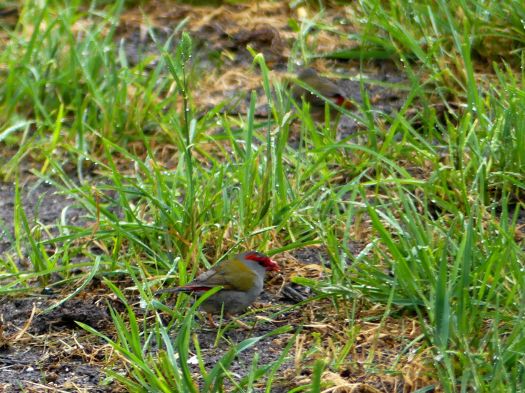
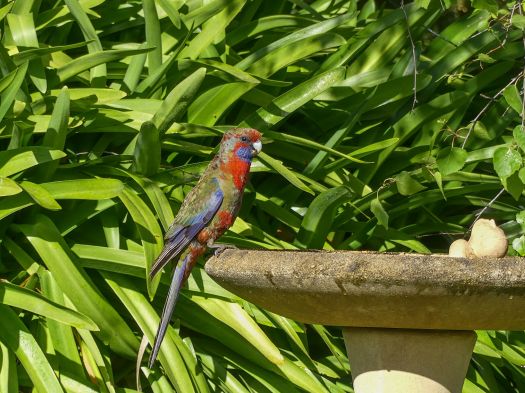
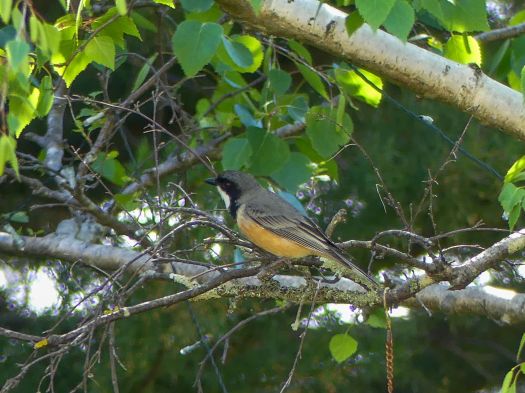
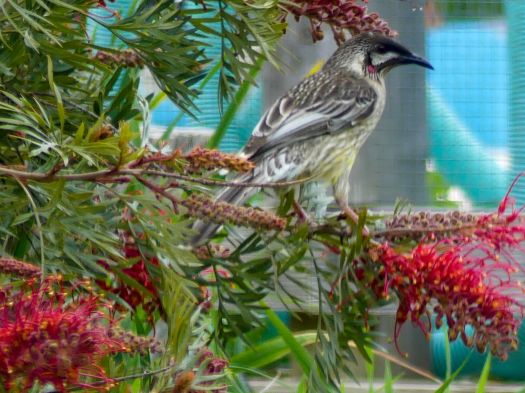
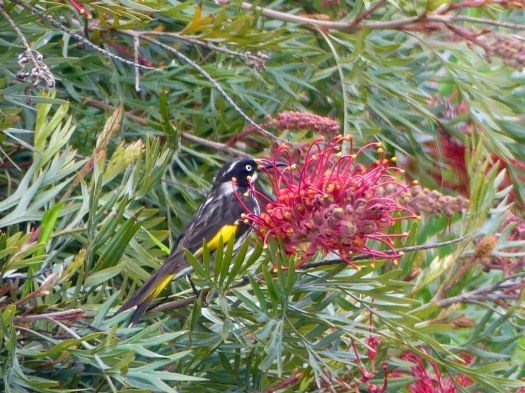
Last weekend marked the annual Aussie Backyard Bird count, an activity I have taken part in for the last few years. Now I’m not much of a ‘birder’ although recently I have found that birds in our garden give me so much pleasure, simply because now I have the time to sit and watch their antics. Part of the challenge with entering in the bird count, is working out what the different species are, so I have been doing my homework in the lead up so that I can identify most of the birds. I was blown away when I realised there are more than 22 different bird species visiting our garden. Tiny pardalotes zooming around like fighter planes and hopping fairy wrens catching insects in flight, swallows nesting in the shed, a pair of nervous grey shrike thrushes nesting in our verandah, various honey eaters in the grevillea and mistletoe, squabbling magpies, rosellas splashing in the bird bath, squawking galahs and cockatoos, a pair of crested pigeons, finches, ravens, the occasional kookaburra and mighty wedge tailed eagles circling in the sky. It makes me feel so privileged to live in this wonderful place. My father loved birds and was something of a bird, even animal whisperer. He could get any animal to come up to him and accept food. He always fed the birds, especially the magpies and kookaburras. After every meal we had to put aside any meat scraps for his birds. Each morning he would take the meat out to the garden and the birds would come and take food from his hand. We don’t feed birds anymore, but always make sure we have water in the bird baths and try to plant bird and bee friendly shrubs and trees. We try not to kill insects with pesticides, because they provide food for birds. We have several fruit trees in our garden, but we hardly ever get any fruit, because the birds always beat us to it. Oh well, what could be better than sharing our fruit with these wonderful creatures?
This reminds me of a radio gardening show that was on one day, when a caller rang to lament the lack of butterflies in his garden. The presenter asked, “What about caterpillars? Do you see any of them?” “No,” said the caller, “I got rid of all of them”. True.


On Friday we headed down to West Gippsland for a Landcare forum, where people from Landcare group across Victoria got together to share ideas and learn about what the Gippsland groups are doing. This was held in a place that does school adventure camps and corporate team building sessions. There was a welcome dinner on the Friday night, with a viewing of the movie 2040. A positive look at how we can create a better world and combat the impacts of climate change. Saturday morning the session began in earnest with talks from various people about things they are doing in their communities; from farming sea grass to regenerative agriculture and international Landcare programs, and a great story about some elderly retirement village residents taking conservation into their own hands. Then a packed lunch and off on the bus to visit two farms to see their stories of innovation, on a cold and rainy Gippsland day. One farm was amazing. This family had invented a tractor attachment that digs and aerates the soil in a way that releases less carbon into the atmosphere and helps to improve carbon capture in the soil by improving soil biology, moisture retention and planting multiple species for stock pasture. The results were remarkable, and this farm is paid for its soil carbon capture. The growth rates for the crops were stunning and the soil samples showing the depth of moisture in the soil were amazing. Check out their website:
It was great to see the innovation and creativity in farming and conservation and to meet people who were not just concerned about the environment and climate change but were actually trying new things to help agriculture adapt.


Our journey to Gippsland took us on the scenic route, via Woori Yallock and Cockatoo on the way there. The first home we bought in 1985 was in Cockatoo, so we took a slight detour from the main road to check out our old place. (Well, the place where our house had been, as it had burned down in 1991) There is a new house on the site, but what was really nice to see was the trees we had planted were now all grown and the old Japanese maples along the roadside were still there. Sometimes we forget just how long trees live for. Those Japanese maples were already well established when we moved in.
On our way home, we went through Healesville, the town where I was born and grew up; we have not been there for quite a while. So, after driving through the town, we decided to head up to Toolangi via Chum Creek Road to check out where the house I grew up in once was. We knew that a new house had been built on the site some years ago, and the old weatherboard my parents had lived in since about 1955, had been demolished. Again, though what was gratifying to see was that the old oak tree, was still there in the garden. That oak tree was well grown when I was a child, so I am not sure how old it is, but I used to love to climb in it up to the high branches and look down on the world. I still recall its rough branches and the yellow lichen that developed on its trunk. I gathered the leaves in Autumn and painted pictures on them for the fairies. The acorns were used for making little people to play with and sometimes my friends and I would throw acorns at each other. Often the acorns would fall on the tin roof over my bedroom at night and wake me up with a bang and a clatter as they rolled down. That oak tree provided welcome shade on hot summer days and was always where we sat at the traditional Melbourne Cup Day family get togethers, when cousins and aunties and uncles would gather; there was a Cup sweep, Dad barbecuing meat, Mum’s salads, slices and fruit, lots of drinking, laughter and fun and the “opening of the cricket season” with a game always played at the bottom of the garden with young and old participating.
When I was married, we held our wedding in my parent’s garden, under the oak tree, of course.
I have such wonderful memories of that tree and felt so happy to see that it was still standing after all these years; it must be at least 80 years old.
Last year we planted some new trees in our garden here; a golden elm, a Japanese maple and a weeping mulberry. It’s lovely to think that they will likely outlast me and hopefully give future generations joy and shade and maybe children somewhere to climb.
Next year I think we will plant an oak tree.
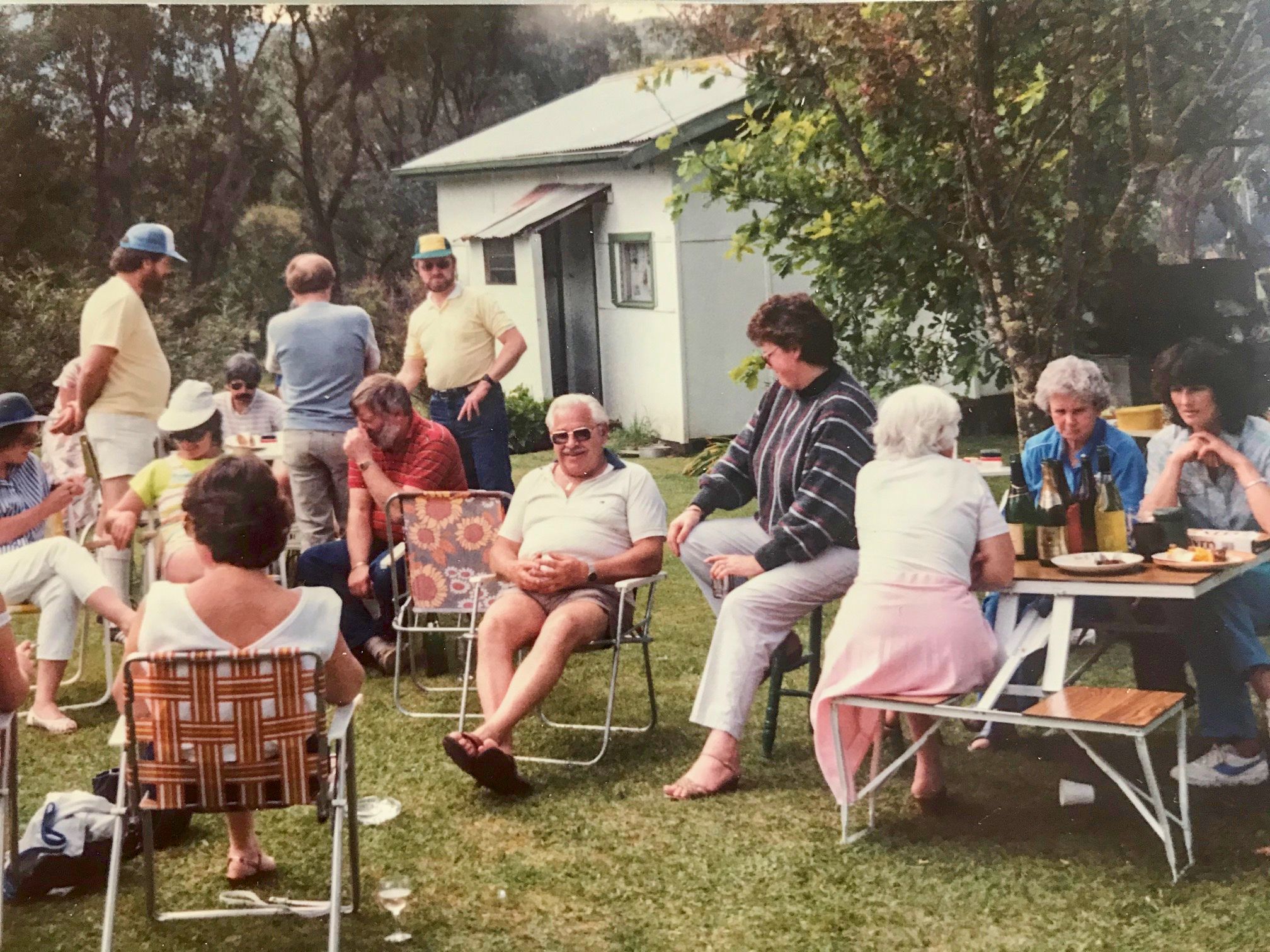
Cup day 
Cup day 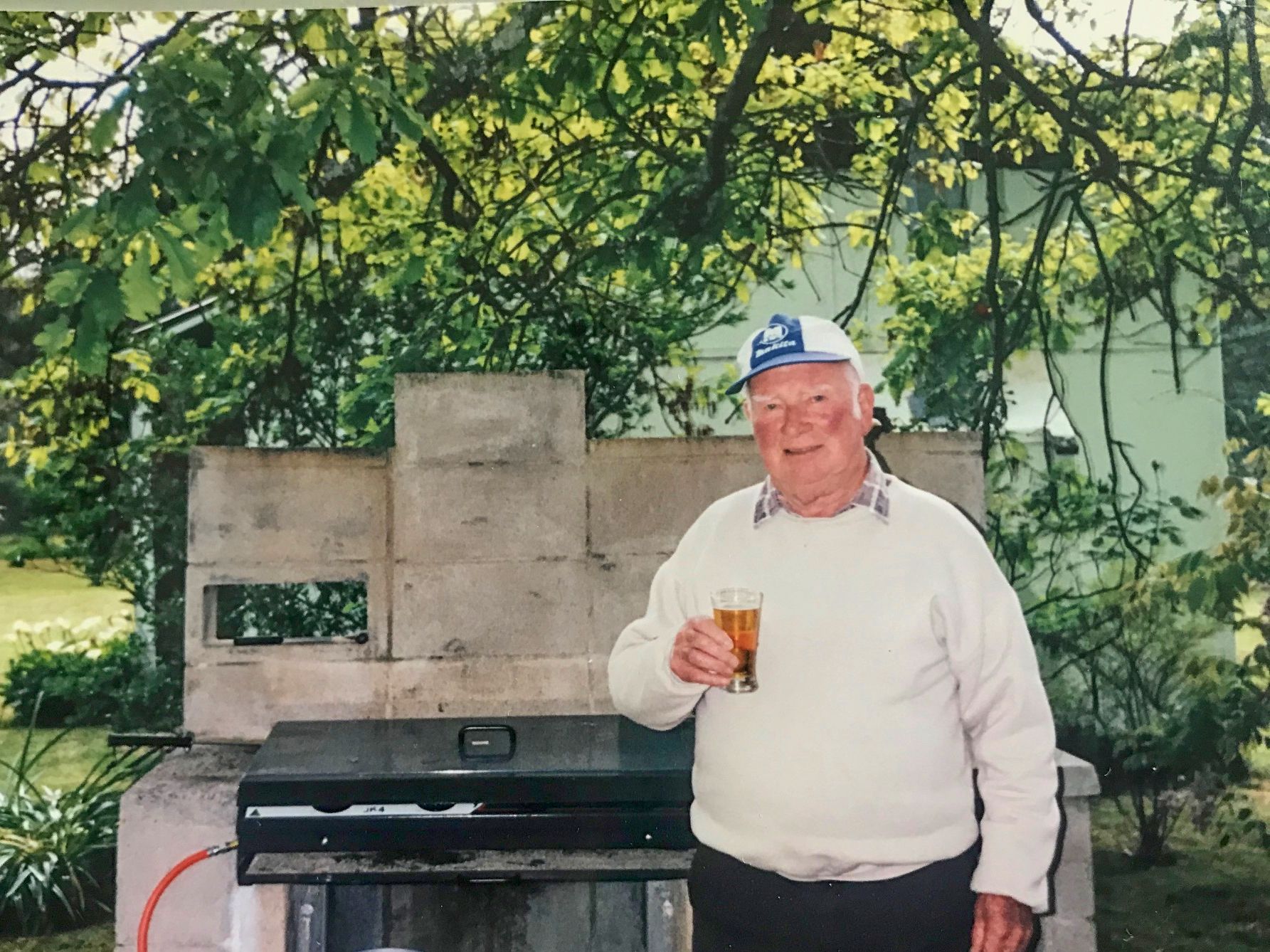
Dad and his BBQ 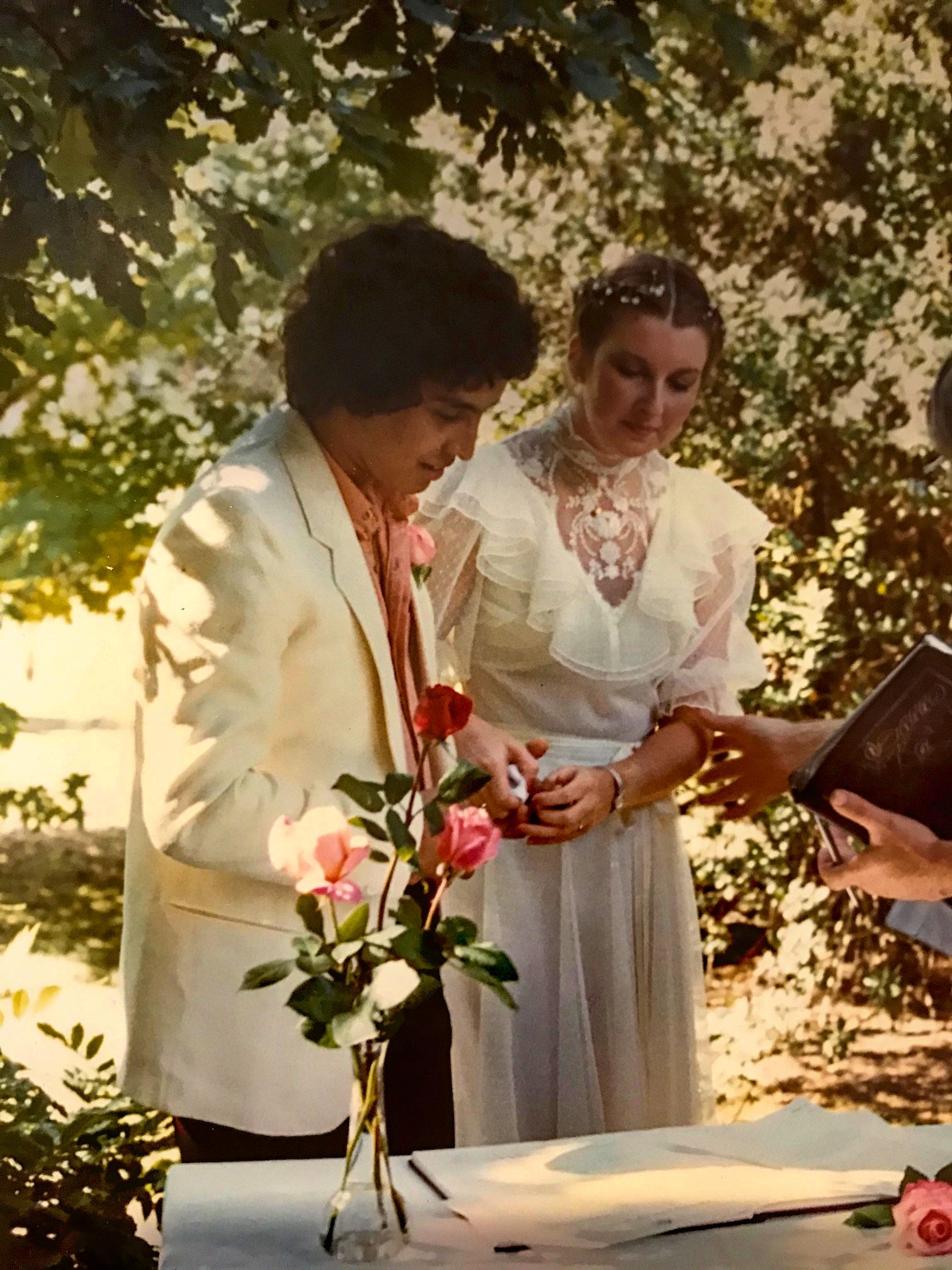
Getting married under the oak tree 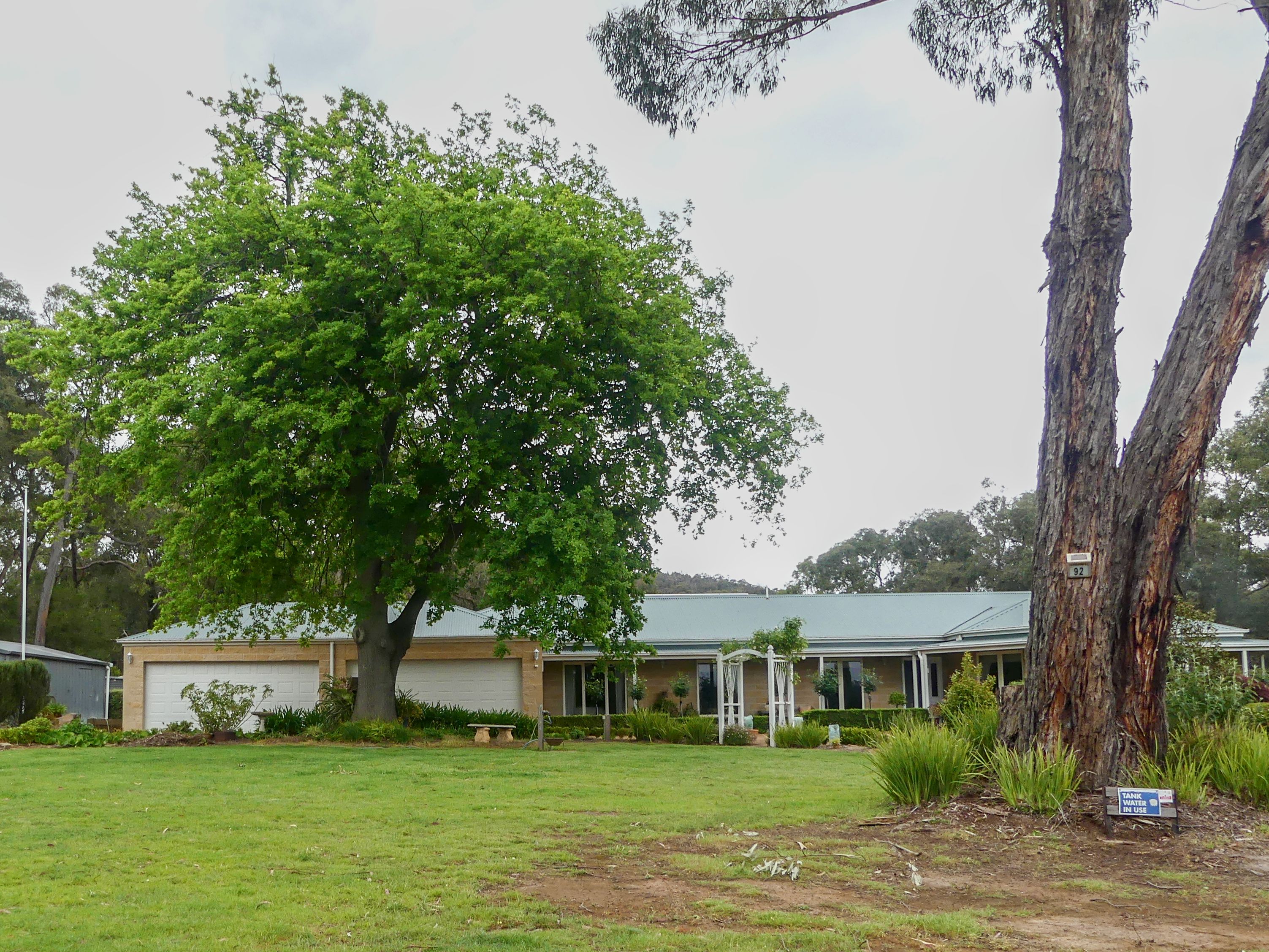
The oak tree now 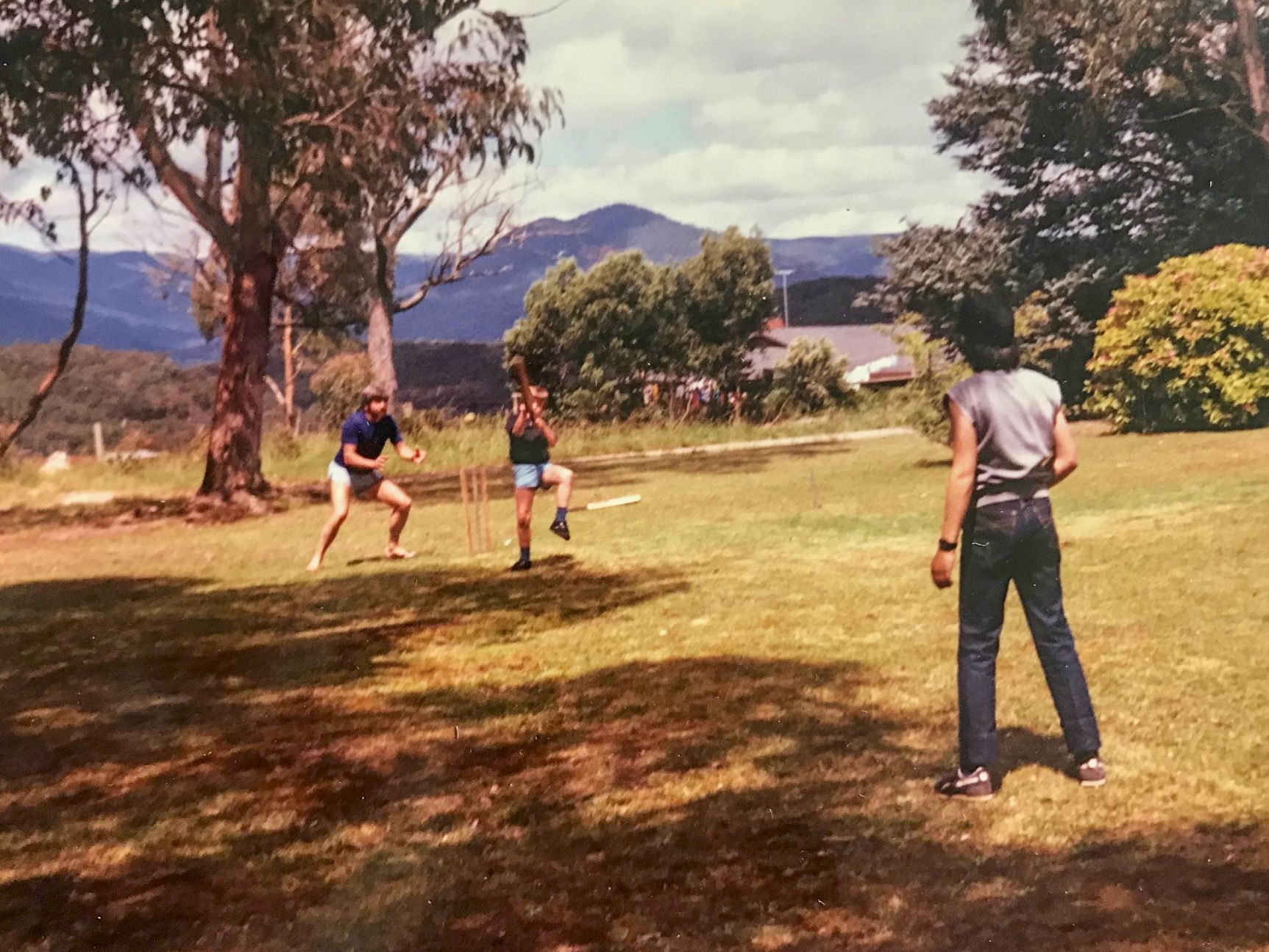
Opening the cricket season
 Sue's next thing